
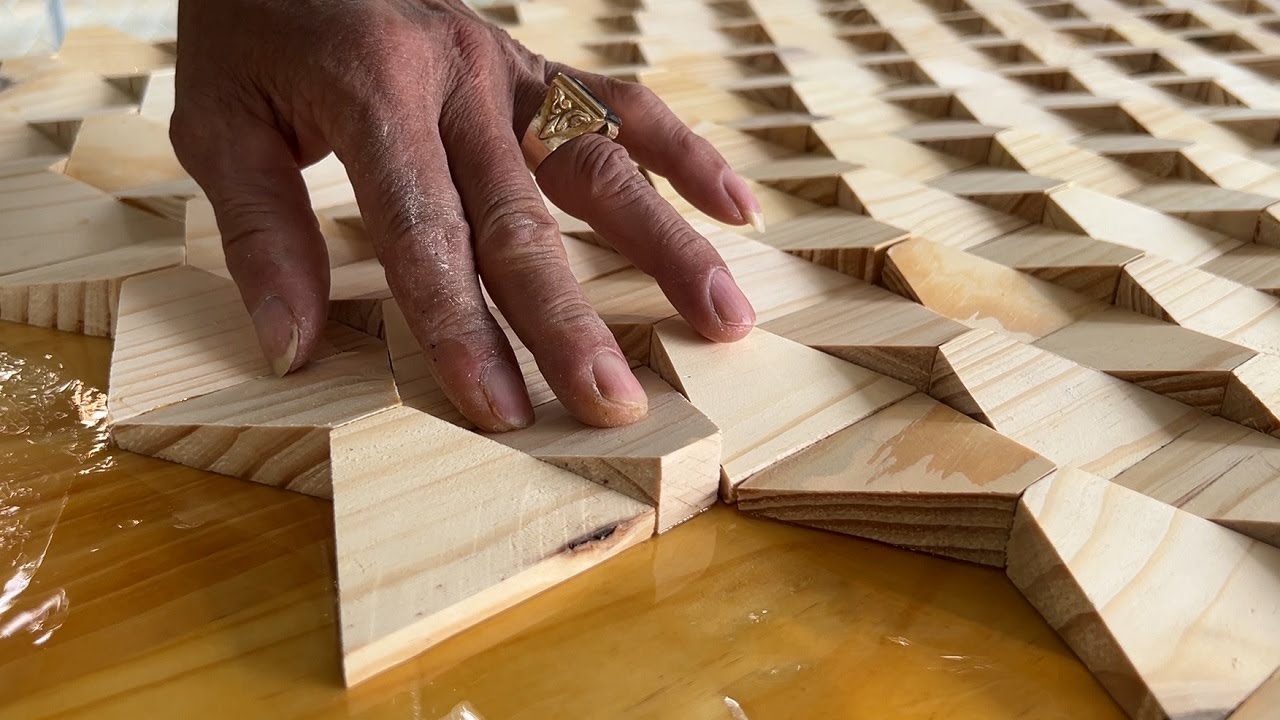
Wood nails are an essential element in woodworking jobs, made use of to protect items of wood together. Whether you are developing a wood wall frame, installing a wood screen door, assembling a wooden drawer, or crafting wooden lamps, understanding the ins and outs of wood nails is essential for a successful project. In this detailed guide, we will certainly cover everything you need to find out about wood nails, from kinds and dimensions to suggestions and techniques.
Types of Wood Nails
There are various kinds of wood nails offered on the marketplace, each created for specific functions. Some common kinds include:
1. Typical Nails
Common nails are the most standard kind of nail used in woodworking tasks. They have a smooth shank and a level head, making them ideal for general-purpose construction.
2. Finish Nails
Finish nails have a small head that can be quickly concealed in the wood surface area. They are ideal for completing work where appearance is important.
3. Brad Nails
Brad nails are thin and light-weight, making them best for fragile trim job and connecting thin pieces of wood.
4. Box Nails
Box nails have thinner shanks than typical nails, making them much less most likely to split the wood when driven in.
5. Roof covering Nails
Roofing nails have a big head and short shank developed for protecting roof materials to the roof deck.
Sizes of Wood Nails
Wood nails can be found in numerous sizes, with the size shown by gauge and size measurements. The scale refers to the density of the nail shaft, while the size shows for how long the nail is. Common nail sizes range from 2d (1 inch) to 60d (6 inches).
Tips for Making Use Of Wood Nails
When collaborating with wood nails, there are several pointers and strategies to remember to make certain a successful job:
Pre-Drill Holes
To protect against splitting the wood, especially near edges or ends, it's advisable to pre-drill pilot holes prior to driving in the nails.
Use Correct Size Nails
Choosing the ideal dimension nail for your task is crucial. Making use of nails that are also brief may not supply adequate holding power, while nails that are as well long can split the wood.
Hammer Carefully
When working in wood nails, aim for precision and control. Avoid bending or harming the nail by striking it squarely on the head.
Countersink Nails
For an expert coating, think about countersinking the nails below the surface of the wood utilizing a nail set tool.
Common Mistakes When Making Use Of Wood Nails
Despite their simplicity, utilizing wood nails can occasionally result in errors that can endanger your woodworking job. Right here are some common errors to avoid:
Using Inaccurate Size Nails: Using nails that are also long or also brief can damage the joint or trigger splitting. Not Pre-Drilling Holes: Failing to pre-drill pilot holes can cause fractured or splintered wood. Overdriving Nails: Hammering nails as well forcefully can harm the surface area of the wood or bend the nail. Ignoring Toenail Quality: Making use of affordable or low-grade nails can bring about rusting or flexing over time. Not Countersinking Nails: Overlooking to countersink nails can leave undesirable bumps on your completed project. Using Plain Tools: Dealing with dull hammer or pierce little bits can make it tough to drive in nails effectively.FAQs About Wood Nails
Q: What is a typical blunder when utilizing coating nails? A: An usual mistake when utilizing surface nails is not pre-drilling pilot openings before driving them right into hardwoods.
Q: How do I select in between brad and surface nails? A: Brad nails are thinner and much more delicate than finish nails, making them excellent for trim work or affixing thin pieces of wood.
Q: Can I utilize roof nails for woodworking projects? A: Roof nails are especially designed for protecting roofing materials and might not appropriate for general woodworking projects.
Q: How deep ought to I countersink my finish nail? A: The finish nail should be countersunk just below the surface of the wood without harmful it.
Q: Are stainless-steel nails much better than galvanized ones? A: Stainless-steel nails are a lot more corrosion-resistant than galvanized ones however may be more expensive depending on your budget.
Q: Can I reuse curved or damaged wood nails? A: It's not suggested to reuse curved or damaged wood nails as they might compromise the honesty of your project.
Conclusion
In final thought, recognizing everything you need to understand about wood nails is vital for any type of woodworking lover or professional. From selecting the appropriate kind and dimension of nail to mastering appropriate setup strategies, interest to detail is key when dealing with these simple yet important bolts. By staying clear of usual errors and complying with finest methods, you can guarantee that your woodworking tasks stand strong and protected for years ahead. https://jsbin.com/kedecemiqe So go on, order your hammer and some top quality wood nails, and begin producing lovely items that will certainly withstand the test of time!